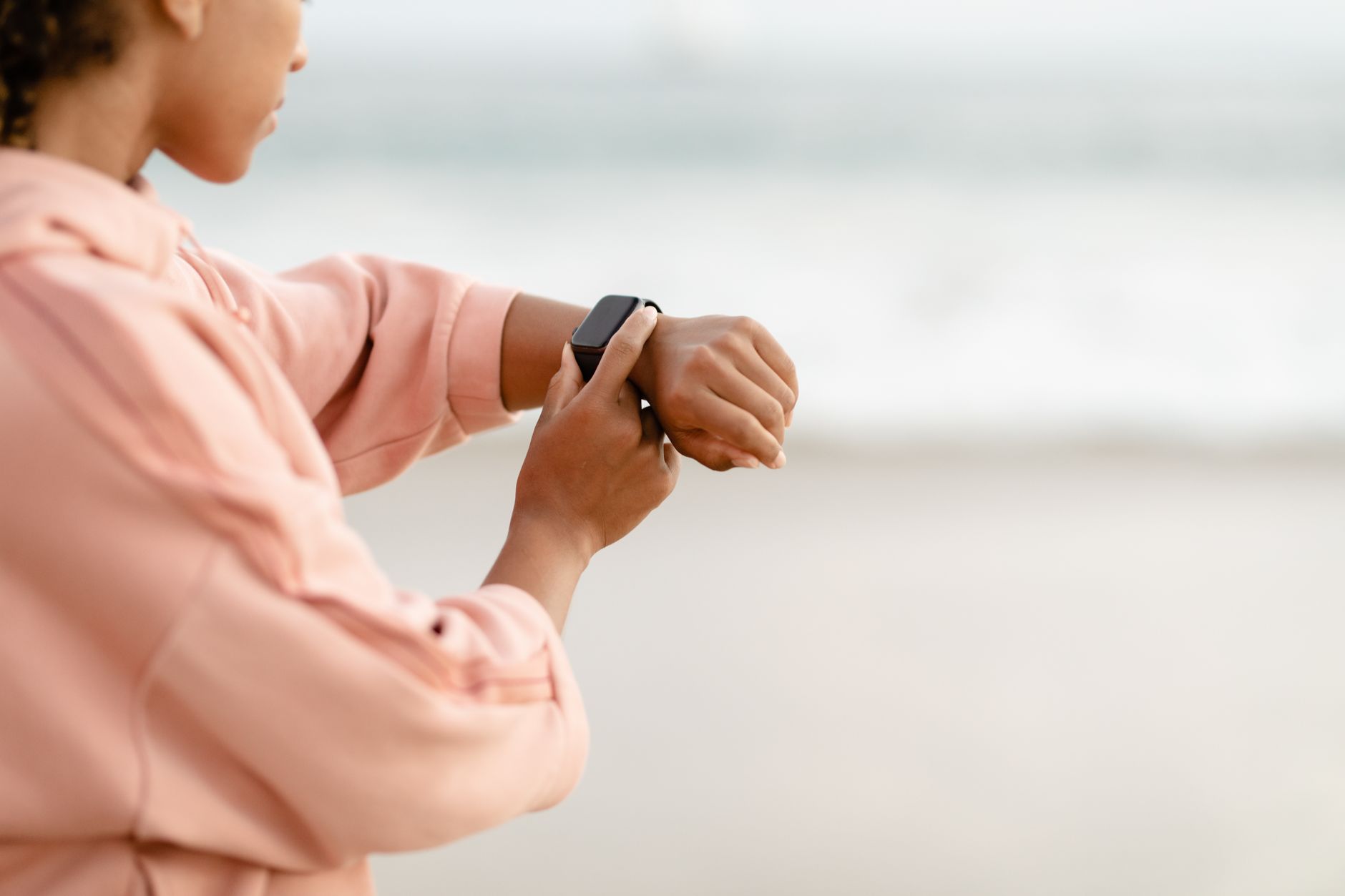
In 2026, tracking stress levels with smart wearables is no longer a futuristic concept—it’s a practical, accessible part of everyday health management. Whether you’re interested in a wearable stress monitor, searching for the latest stress tracking device for 2026, or simply looking for a comprehensive health wearable guide, understanding how these gadgets work can make a real difference to your well-being. This expert guide will walk you through the science behind stress tracking, help you choose the right device, and teach you how to use wearables to manage stress effectively.
Understanding Stress Tracking Technology
Smart wearables have evolved rapidly, and their ability to track stress is rooted in sophisticated biosensors. These sensors monitor various physiological signals to estimate stress levels, including:
- Heart Rate Variability (HRV): Measures variations between heartbeats. Lower HRV is often associated with higher stress.
- Electrodermal Activity (EDA): Detects changes in skin conductivity, which increases with sweat due to stress.
- Respiratory Rate: Monitors breathing patterns—rapid, shallow breathing can indicate stress.
- Sleep Quality Metrics: Poor sleep is a known indicator of chronic stress.
Most modern wearable stress monitors combine these signals to provide a comprehensive picture of your stress response. For instance, top devices in 2026, like the BioSense Pro and HeartSync Ultra, utilize multi-sensor arrays and AI-driven algorithms for unparalleled accuracy—often achieving stress detection rates above 92%.
Choosing the Best Stress Tracking Device in 2026
With dozens of health wearables available, making the right choice can feel overwhelming. Here are the key features to look for when selecting a stress tracking device in 2026:
1. Sensor Accuracy
- Devices should use at least HRV and EDA sensors.
- Look for published accuracy data (e.g., BioSense Pro’s 94% stress event accuracy).
2. Real-Time Feedback
- Instant notifications when stress spikes.
- Guided breathing or relaxation exercises included.
3. Battery Life and Comfort
- Minimum 7-day battery life for uninterrupted monitoring.
- Lightweight and hypoallergenic materials.
4. Data Integration
- Syncs with health apps and can export data for your doctor.
- Cloud storage for long-term analytics.
5. Privacy and Security
- End-to-end encryption of health data.
- User control over sharing and access.
| Feature | BioSense Pro | HeartSync Ultra | CalmBand 2026 |
|---|---|---|---|
| HRV Monitoring | ✔️ | ✔️ | ✔️ |
| EDA Sensor | ✔️ | ✔️ | ❌ |
| Respiratory Tracking | ✔️ | ✔️ | ✔️ |
| Battery Life | 10 days | 9 days | 7 days |
| App Integration | Full | Full | Partial |
| Guided Exercises | ✔️ | ✔️ | ✔️ |
| Privacy Standards | High | High | Moderate |
How to Use Smart Wearables for Stress Management
Once you’ve chosen your wearable, using it effectively is key. Here’s how to get the most out of your stress tracking device:
Step-by-Step Guide
- Wear Your Device Consistently
-
Keep it on during waking hours; many devices also monitor sleep for stress insights.
-
Set Up Your Profile
-
Input accurate age, weight, and lifestyle information for personalized data.
-
Monitor Real-Time Alerts
-
When your device detects signs of stress (e.g., HRV drops, EDA spike), it will send notifications.
-
Engage with Guided Activities
-
Most devices offer quick breathing exercises or mindfulness routines. Take advantage of these when alerted.
-
Review Your Daily Stress Patterns
-
Use the app’s dashboard to spot trends, such as higher stress during meetings or poor sleep nights.
-
Sync Data Regularly
-
Ensure your device connects to the app or cloud for data backups and long-term analysis.
-
Share Data with Healthcare Providers
- If you have ongoing concerns, export reports to discuss with your doctor.
Practical Tips
- Customize Notification Settings: Avoid alert fatigue by adjusting notification frequency.
- Set Personal Goals: Track improvement—e.g., reducing daily stress peaks by 15% over a month.
- Link with Other Health Data: Combine stress data with activity, nutrition, and sleep for holistic insights.
Benefits and Limitations of Wearable Stress Monitors
While smart wearables offer groundbreaking advantages, it’s important to understand their scope and limits.
Benefits
- Continuous Monitoring: Unlike occasional check-ins, wearables provide 24/7 stress tracking.
- Early Intervention: Real-time alerts help you manage stress before it escalates.
- Personalized Insights: AI-powered analytics create tailored recommendations.
- Holistic Health Management: Integrate stress data with other health metrics for a bigger picture.
Limitations
- Accuracy Variability: Devices are highly accurate (up to 94%) but can be influenced by physical activity, temperature, or skin contact.
- Data Interpretation: Understanding the difference between acute (short-term) and chronic (long-term) stress requires context.
- User Engagement: Benefits depend on consistent use and engagement with provided interventions.
Expert Tips for Maximizing Your Health Wearable
If you want to make your wearable stress monitor as effective as possible, consider these expert strategies:
- Wear It During High-Stress Activities: Meetings, workouts, or public speaking.
- Track Your Recovery: Use the device’s data to monitor how quickly you return to baseline after stress.
- Combine with Mindfulness Apps: Pair stress tracking with meditation or journaling apps for deeper insights.
- Regularly Update Device Firmware: Manufacturers release accuracy improvements and new features.
- Discuss Results with Professionals: Doctors and therapists can help interpret trends and recommend strategies.
Key Takeaways
- Smart wearables in 2026 provide advanced, accurate stress tracking using sensors like HRV and EDA.
- Choosing the right device involves considering sensor quality, battery life, app integration, and privacy.
- Consistent use, real-time feedback, and guided interventions are essential for effective stress management.
- Wearables offer continuous monitoring and personalized insights but require user engagement for best results.
- Combining wearable data with professional advice and other wellness tools leads to optimal health outcomes.
By following this health wearable guide, you’ll be empowered to track stress levels intelligently, make informed choices about your well-being, and take proactive steps to manage stress—making smart wearables a valuable companion in your daily life throughout 2026.