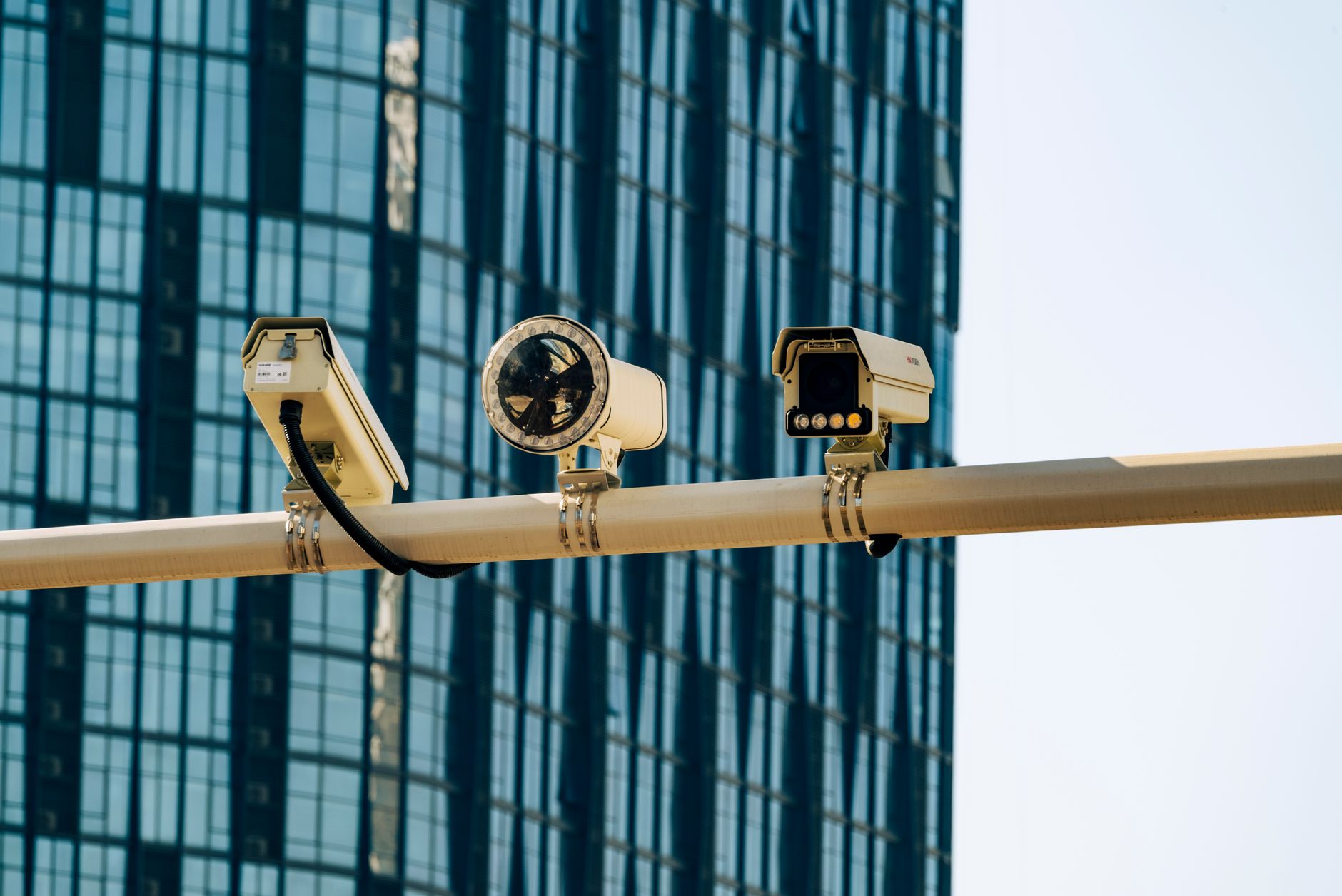
Smart security cameras with night vision have revolutionized home safety, making it easier than ever to monitor your property day and night in 2026. Whether you’re searching for the best home security camera 2026 or just want to know how night vision works, this guide is packed with practical advice, top picks, and expert tips for creating a safer, smarter home. Let’s dive into the essentials every homeowner needs to know about choosing, installing, and using smart security cameras with night vision.
Why Night Vision Matters in Smart Security Cameras
When it comes to home security, visibility after dark is crucial. Over 60% of residential burglaries occur at night, making night vision an indispensable feature for modern cameras. Night vision technology uses infrared LEDs to capture clear footage in low-light or complete darkness, ensuring your camera works around the clock.
Key Benefits:
- 24/7 Protection: Night vision cameras can record any suspicious activity regardless of lighting conditions.
- Enhanced Detail: Infrared sensors reveal details that traditional cameras miss, like faces and license plates.
- Peace of Mind: Knowing your home is monitored at night boosts confidence and reduces anxiety.
Top Smart Security Cameras with Night Vision in 2026
Choosing the best home security camera 2026 means looking for a combination of performance, ease of use, and reliable night vision. Here are standout options based on user reviews, tech specs, and expert analysis:
| Camera Model | Resolution | Night Vision Range | Smart Features | Price (USD) |
|---|---|---|---|---|
| SecureCam Ultra 360 | 4K | 30 meters | AI detection, mobile app | $249 |
| NightWatch Pro V3 | 1080p | 20 meters | Two-way audio, cloud storage | $179 |
| SafeHome Edge | 2K | 25 meters | Motion zones, Alexa integration | $199 |
| VisionGuard Max | 4K | 40 meters | Facial recognition, smart alerts | $299 |
Features to Look For
- Resolution: Clear images (2K or 4K) for identifying people and details.
- Night Vision Range: The distance your camera can see in the dark—20 meters or more is ideal.
- Smart Features: AI-powered alerts, integration with your smart home system, and remote access.
- Weatherproofing: Essential if you’re installing cameras outdoors.
How Night Vision Technology Works
Understanding night vision technology helps you make informed decisions and troubleshoot issues. Most smart security cameras night vision use infrared (IR) LEDs, which emit invisible light. The camera’s sensor picks up this light and translates it into black-and-white images visible on your phone or monitor.
Types of Night Vision
- Infrared (IR) Night Vision: Uses IR LEDs; standard for most security cameras.
- Color Night Vision: Newer models can capture color footage even in low light, thanks to larger sensors and special processing.
- Starlight Sensors: Advanced sensors that work with minimal ambient light, delivering sharper images.
Night Vision Camera Guide — What to Check:
- Number of IR LEDs (more LEDs mean brighter night vision)
- IR cut filters for clearer daytime images
- Field of view — wider is better for outdoor areas
- Minimum illumination (measured in lux) for optimal performance
Installing Smart Security Cameras: Step-by-Step Tips
Proper installation is vital for maximizing your security system’s effectiveness. Follow these steps for optimal results:
- Choose Strategic Locations
- Entry points: front/back doors, garage, windows.
- High-traffic areas: hallways, living rooms.
-
Avoid obstructions (trees, walls) that block the camera’s view.
-
Mount Cameras at the Right Height
- Outdoor: 8-10 feet above the ground for wide coverage and protection from tampering.
-
Indoor: Corners of rooms for maximum visibility.
-
Test Night Vision Before Finalizing Placement
- Check for glare from lights, reflections, or surfaces.
-
Walk through the camera’s range at night to evaluate image quality.
-
Connect to Power and Wi-Fi
- Ensure a stable, secure Wi-Fi connection.
-
Use weatherproof covers for outdoor cables.
-
Set Up Alerts and Integrations
- Configure motion detection zones to avoid false alarms.
- Link to your smart home system for real-time notifications.
Smart Home Security Tips for 2026
- Regularly update your camera firmware for enhanced security.
- Use strong passwords and two-factor authentication on your camera app.
- Enable cloud backups or local storage for footage retention.
- Combine cameras with smart lighting for deterrence and improved night vision.
Comparing Smart Security Cameras: What Matters Most
With dozens of models on the market, picking the best home security camera 2026 can be tricky. Here’s a quick comparison checklist:
| Feature | Why It Matters | Recommended Spec |
|---|---|---|
| Resolution | Clear identification | 2K or 4K |
| Night Vision Range | Outdoor visibility | 20+ meters |
| Smart Alerts | Immediate response | AI or customizable |
| Storage Options | Evidence retention | Cloud & local |
| Integration | Smart home compatibility | Alexa, Google, Apple |
| Weatherproofing | Outdoor durability | IP65+ rating |
Key Takeaways
- Smart security cameras with night vision are essential for 24/7 home protection, especially in 2026 when technology is more advanced and affordable.
- Look for cameras with high resolution, extended night vision range, and robust smart features.
- Install cameras strategically and test night vision capabilities before finalizing positions.
- Regularly update security settings and integrate cameras with your smart home for maximum effectiveness.
- Choose a model that suits your needs and budget, focusing on the features that matter most: clarity, range, and seamless integration.
Smart home security is about staying proactive and informed. With the right smart security cameras night vision system in place, you can sleep soundly knowing your home is protected every night.