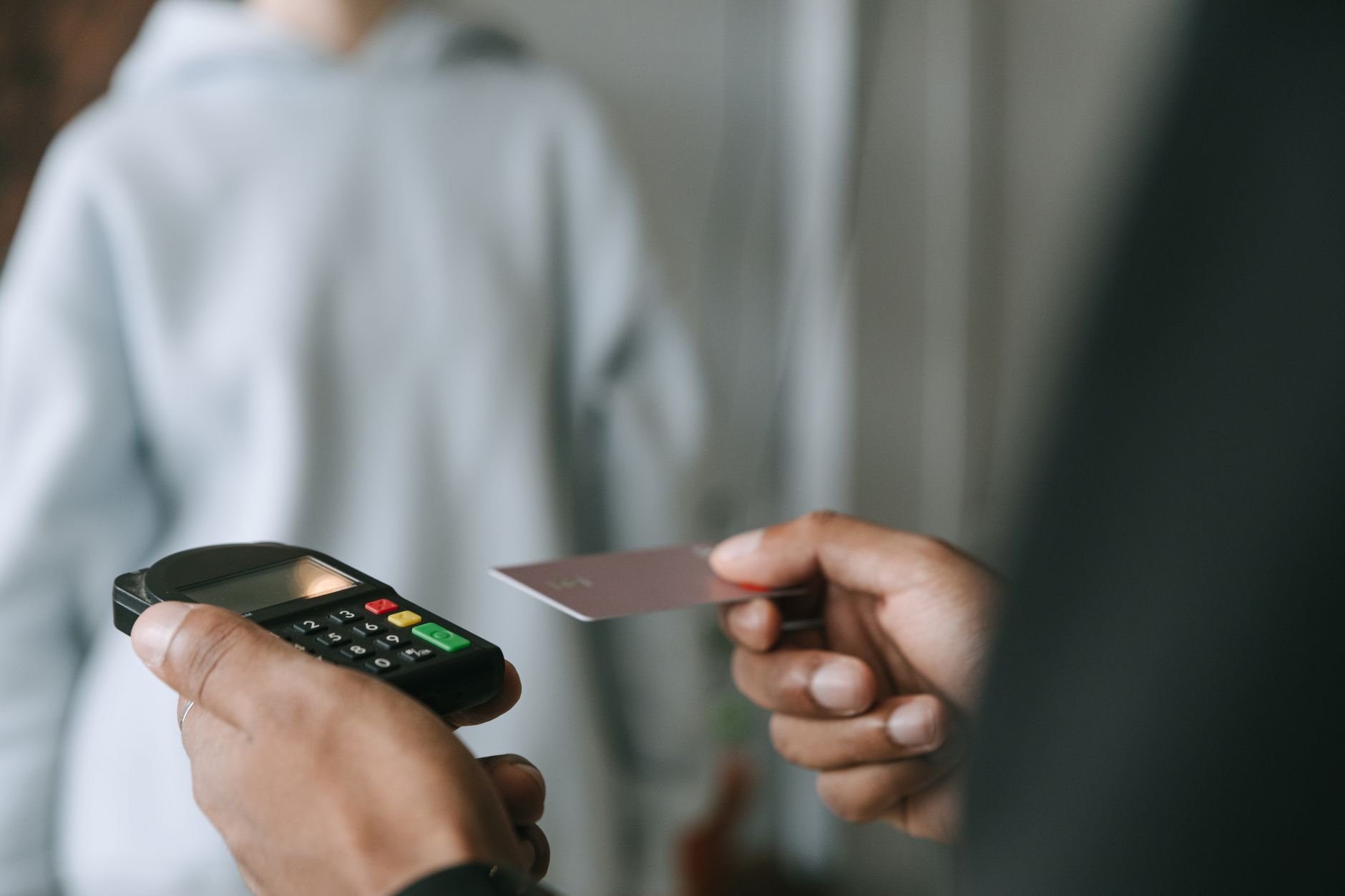
Wearable payment devices in 2026 are transforming how we shop, making contactless transactions more secure, convenient, and accessible than ever. From smartwatches and rings to sleek bracelets, these smart payment wearables are giving shoppers faster checkouts and peace of mind. In this article, you’ll discover how these gadgets work, what makes them secure, the top options for 2026, and practical tips to use them safely for seamless contactless shopping.
What Are Wearable Payment Devices?
Wearable payment devices are small, technology-enabled accessories—like watches, rings, and fitness trackers—that let you pay securely by simply tapping or waving your device near a compatible terminal. By storing your payment information digitally, these gadgets eliminate the need to dig for cards or cash, making shopping more efficient.
How Do They Work?
- NFC Technology: Most smart payment wearables use Near Field Communication (NFC) to transmit payment data wirelessly when within a few centimeters of a payment terminal.
- Tokenization: Instead of transmitting your actual card number, the device sends a unique, encrypted token for each transaction, reducing the risk of fraud.
- Integration with Mobile Wallets: Many wearable devices connect to popular mobile wallets like Apple Pay, Google Pay, or Samsung Pay, streamlining setup and use.
Why Wearable Payment Devices Are Dominating Contactless Shopping in 2026
The rise in contactless shopping gadgets reflects major shifts in consumer behavior and technology. According to a 2026 industry survey, over 65% of consumers in urban areas now use some form of wearable payment device weekly. Here’s why they’re so popular:
- Speed: Transactions are completed in under 2 seconds—much faster than chip cards or cash.
- Hygiene: No need to touch communal surfaces or exchange bills.
- Convenience: Forget your wallet at home? No problem if you’re wearing your payment-capable device.
- Compatibility: Over 90% of point-of-sale terminals in 2026 accept contactless payments.
Top Smart Payment Wearables for 2026
With so many options available, choosing the right device can be overwhelming. Below is a comparison of leading wearable payment devices for 2026:
| Device Name | Form Factor | Key Features | Battery Life | Payment Support |
|---|---|---|---|---|
| Apple Watch Ultra 3 | Smartwatch | ECG, GPS, Multi-wallet | 48 hours | Apple Pay, Visa, Mastercard |
| RingPay Pro | Smart Ring | Waterproof, Discreet, PIN Lock | 7 days | Google Pay, Mastercard |
| Samsung Galaxy Band 6 | Wristband | Fitness Tracking, Tap-to-Pay | 5 days | Samsung Pay, Visa |
| Fitbit Charge Max | Fitness Band | Heart Monitoring, NFC | 6 days | Google Pay, Amex, Mastercard |
| Garmin Pay Vantage | Watch | Sports Features, Multi-bank | 14 days | Garmin Pay, Visa, Mastercard |
Example: If you’re a fitness enthusiast, the Fitbit Charge Max not only tracks your health but lets you pay for your smoothie post-workout with a quick tap.
Security Features: How Wearable Payment Devices Keep You Safe
Security remains the top concern for shoppers using smart payment wearables. Fortunately, manufacturers in 2026 have developed robust security protocols:
Key Security Mechanisms
- Tokenization: Each transaction uses a one-time digital token; your card details are never transmitted or stored on the device.
- Biometric Authentication: Many devices require a fingerprint, PIN, or even heart rate detection to authorize payments.
- Lost Device Protection: If your wearable is lost or stolen, you can instantly disable payment features via your phone or online account.
- Encrypted Communications: All data exchanged between the device and payment terminal is encrypted, making interception extremely difficult.
Stat: According to the Global Payment Security Report 2026, fraud rates for wearable payments are 62% lower than traditional card payments.
How to Use Wearable Payment Devices Safely
Getting started with wearable payment devices is simple, but following best practices ensures maximum security.
Step-by-Step Guide to Safe Usage
- Purchase from Reputable Brands: Choose devices from well-known manufacturers with a track record for security updates.
- Enable Biometric Security: Set up fingerprint, face, or heart rate authentication to add an extra layer of protection.
- Keep Software Updated: Regularly update both your wearable and its companion app to patch vulnerabilities.
- Disable Lost Devices Immediately: If your wearable is misplaced, use your smartphone to disable payments instantly.
- Monitor Transactions: Check your mobile wallet or bank app regularly for any unfamiliar charges.
Additional Safety Tips
- Avoid sharing your wearable or its PIN with others.
- Only use payment features on secure, trusted networks.
- Store backup payment methods in case your device is out of battery.
Making the Most of Contactless Shopping Gadgets
Smart payment wearables do more than just payments. Here’s how to maximize their value:
- Loyalty Integration: Many devices store loyalty cards and automatically apply rewards during checkout.
- Transit Payments: Pay for buses, trains, and subways with a tap—no need to carry separate transit cards.
- Fitness and Health Tracking: Combine payments with wellness metrics for a holistic lifestyle tool.
Pro Tip: Link your wearable to your budgeting app to track spending in real time and stay on top of your finances.
Key Takeaways
- Wearable payment devices in 2026 make contactless shopping faster, safer, and more convenient.
- Top devices include smartwatches, rings, and fitness bands from brands like Apple, Fitbit, Samsung, and Garmin.
- Security is robust: Features like tokenization, biometrics, and instant disablement protect your financial information.
- Follow best practices: Buy reputable devices, enable biometric locks, and monitor your account for maximum safety.
- Beyond payments: Use your wearables for loyalty points, transit, and fitness tracking for a smarter, more integrated lifestyle.
With smart payment wearables, secure contactless shopping isn’t just the future—it’s the reality in 2026. Whether you’re grabbing groceries, catching a train, or hitting the gym, your next purchase is just a tap away.