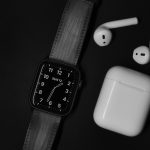
Choosing the right sleep tracker can transform the way you understand and improve your nightly rest. In 2026, wearable sleep monitors are smarter, more comfortable, and more accurate than ever before—but with so many options, how do you decide which one is best? This guide will help you choose a sleep tracker by focusing on three key aspects: data quality, comfort, and accuracy. By the end, you’ll know exactly what to look for and how to match your sleep goals with the right device.
Why Tracking Your Sleep Matters
Quality sleep is essential for your overall health, mood, and productivity. According to the Sleep Foundation, adults need 7–9 hours of sleep each night, but nearly 35% of people struggle to get enough rest. Accurate sleep data from a wearable sleep monitor can reveal sleep patterns, disruptions, and even underlying health issues. With insights from a sleep tracker, you can make informed decisions to improve your sleep hygiene and daily energy.
Understanding Sleep Tracker Data: What Counts as Accurate Sleep Data?
Not all sleep trackers provide the same level of detail or accuracy. When you choose a sleep tracker, it’s important to know what types of data the device collects and how reliable that information is.
Key Sleep Metrics to Look For
- Total Sleep Time: Measures the duration of sleep from when you fall asleep to when you wake up.
- Sleep Stages: Tracks light, deep, and REM sleep phases. More advanced trackers use heart rate and movement to estimate these stages.
- Sleep Interruptions: Records times you wake up during the night.
- Heart Rate Variability (HRV): Indicates sleep quality and stress levels.
- Respiratory Rate: Some trackers measure your breathing patterns for deeper insights.
Accuracy: What Makes a Sleep Tracker Reliable?
An accurate sleep tracker uses multiple sensors—such as accelerometers, heart rate monitors, and even skin temperature—to cross-check data. Clinical studies in 2026 show that the most reliable wearable sleep monitors achieve up to 85% accuracy compared to medical-grade polysomnography, the gold standard for sleep studies.
Table: Example of Sleep Tracker Data Comparison
| Feature | Basic Tracker | Advanced Tracker |
|---|---|---|
| Total Sleep Time | ✔ | ✔ |
| Sleep Stages | — | ✔ |
| Heart Rate | — | ✔ |
| Respiratory Rate | — | ✔ |
| Accuracy (vs. PSG) | ~60% | Up to 85% |
PSG: Polysomnography
Comfort: Why Sleep Tracker Comfort Is Essential
If your sleep tracker isn’t comfortable, you’re unlikely to wear it regularly—and consistent use is key for accurate sleep data. Comfort depends on device design, materials, and placement.
Types of Wearable Sleep Monitors
- Wristbands & Smartwatches: Popular for all-night wear but can feel bulky for some.
- Smart Rings: Lightweight and unobtrusive, ideal for those sensitive to wrist wear.
- Headbands & Patches: Offer advanced data but may disrupt sleep for side sleepers.
- Bedside or Under-Mattress Sensors: Completely non-wearable and great for those who dislike wearing devices in bed.
Factors Influencing Comfort
- Material: Hypoallergenic silicone or fabric bands minimize skin irritation.
- Weight & Size: Slim, lightweight devices are less intrusive.
- Battery Life: Devices that last at least 4–7 days between charges reduce hassle.
- Adjustability: Adjustable bands or multiple sizes ensure a better fit.
Practical Steps to Choose a Sleep Tracker
Selecting the right sleep tracker is easier when you break down your needs and preferences. Here’s a step-by-step approach:
- Define Your Sleep Goals
- Are you looking for basic sleep duration or detailed sleep stage analysis?
-
Do you want integration with fitness or health apps?
-
Prioritize Comfort
- Decide if you prefer a wrist, finger, or non-contact tracker.
-
Try on devices if possible, or check for user reviews mentioning comfort.
-
Assess Data Accuracy and Features
- Look for trackers that use multiple sensors (heart rate, movement, temperature).
-
Check if the data syncs with apps for easy analysis.
-
Consider Battery Life and Maintenance
-
Opt for trackers with long battery life and simple charging options.
-
Set Your Budget
- Basic trackers start around $50, while advanced devices can reach $300+.
Pro Tip: If you have sleep disorders or specific health concerns, consult with a healthcare professional before choosing a sleep tracker.
Comparing Popular Sleep Tracker Types in 2026
| Tracker Type | Comfort Level | Data Detail | Price Range | Best For |
|---|---|---|---|---|
| Smartwatch | Moderate | High | $150–$400 | All-in-one health tracking |
| Smart Ring | High | Moderate–High | $200–$350 | Discreet daily wear |
| Headband | Low–Moderate | Very High | $250–$500 | Advanced sleep analysis |
| Under-Mattress | Very High | Moderate | $100–$250 | Non-wearable option |
Key Takeaways
- To choose a sleep tracker, focus on accurate sleep data, comfort, and device reliability.
- Wearable sleep monitors range from wristbands to rings and non-contact options—pick one that fits your lifestyle and sleep habits.
- Look for devices with multiple sensors for better accuracy; the best trackers in 2026 provide up to 85% accuracy compared to clinical sleep studies.
- Prioritize sleep tracker comfort to ensure consistent nightly use and more reliable data.
- Match your sleep goals and budget with the tracker’s features—compare types and read user reviews before making your decision.
By following these steps, you’ll find a sleep tracker that not only delivers insightful data but also fits seamlessly into your nightly routine, helping you achieve better rest and overall well-being.