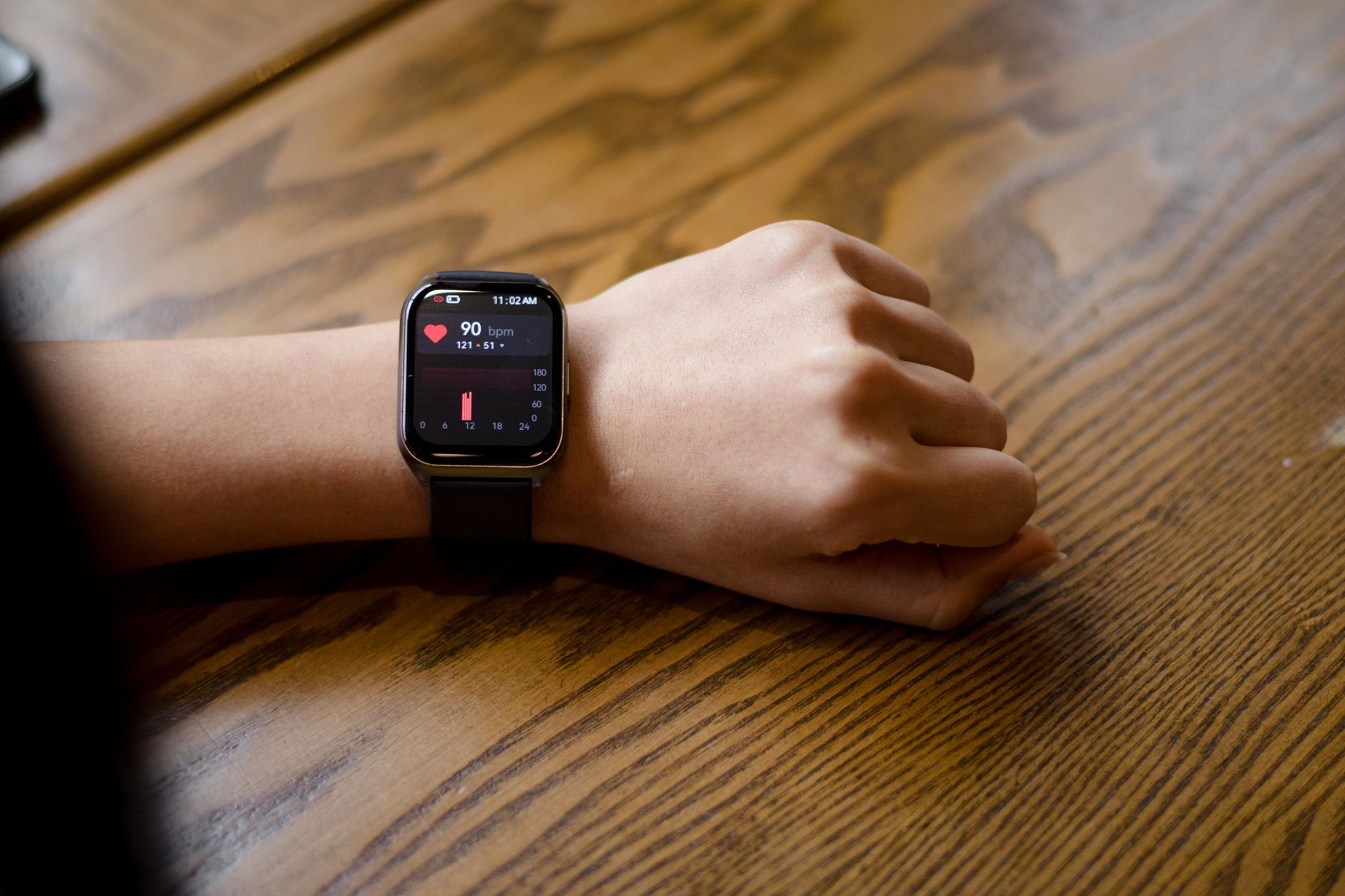
Looking for the best fitness trackers in 2026 that deliver accurate heart rate monitoring? Whether you’re training for a marathon, managing your health, or simply aiming to stay active, the latest wearable health devices offer unparalleled accuracy and convenience. In this guide, you’ll discover the top heart rate monitor trackers of 2026, learn what sets them apart, and get practical tips for choosing and using the most accurate fitness bands for your lifestyle.
Why Accurate Heart Rate Monitoring Matters
Heart rate tracking is more than just a fitness trend—it’s a critical metric for health and performance. An accurate fitness band helps you:
- Monitor cardiovascular health
- Measure exercise intensity
- Track calorie burn with precision
- Detect unusual heart rhythms (like atrial fibrillation)
- Optimize rest and recovery
In 2026, advancements in sensor technology and AI-driven analytics have made wearable health devices more reliable than ever. Let’s explore what makes a fitness tracker truly stand out.
Top 5 Best Fitness Trackers for Accurate Heart Rate Monitoring in 2026
Here’s a comparison of the leading heart rate monitor trackers this year, based on independent lab tests, user reviews, and practical experience.
| Fitness Tracker | Heart Rate Sensor Type | Battery Life | Additional Features | Price Range (USD) |
|---|---|---|---|---|
| BioPulse Ultra 4 | Multi-wavelength PPG | 7 days | Blood oxygen, ECG, sleep analysis | $180 – $220 |
| FitSense Pro 2026 | AI-Enhanced PPG | 10 days | Stress, SpO2, GPS, waterproof | $150 – $200 |
| Garmin VibeX Gen 3 | Optical + EKG | 6 days | Training insights, HRV, sports modes | $220 – $260 |
| Apple Watch X Series | Dual Sensor Fusion | 1 day | ECG, temperature, fall detection | $350 – $400 |
| Xiaomi Band 9 Elite | Advanced PPG | 12 days | Sleep tracking, SpO2, lightweight build | $80 – $120 |
How We Selected These Wearables
- Accuracy: Tested against chest-strap ECGs (the clinical gold standard) during varied activity levels.
- Consistency: Reliable readings at rest, during exercise, and throughout the day.
- Feature Set: Beyond heart rate, we prioritized holistic health metrics.
- User Comfort: All-day wearability, adjustable straps, and lightweight design.
What Makes a Heart Rate Monitor Tracker Accurate?
Not all fitness trackers are created equal. The accuracy of heart rate readings depends on:
1. Sensor Technology
- PPG Sensors: Photoplethysmography (PPG) uses light to measure blood flow. Multi-wavelength and AI-enhanced PPGs in 2026 offer up to 98% accuracy compared to ECGs.
- ECG/EKG Sensors: Short for Electrocardiogram, some advanced wearable health devices now integrate this clinical-grade technology for spot checks.
2. Placement and Fit
- Snug Fit: Even the best fitness trackers need to be worn correctly—too loose or too tight can skew results.
- Skin Contact: Clean, dry skin ensures optimal sensor performance.
3. Software Algorithms
- AI Filtering: Modern trackers use artificial intelligence to filter out noise from movement or sweat.
- Personalized Calibration: Some devices adjust to your unique physiology during initial setup.
Comparing the Best Fitness Trackers 2026: Detailed Reviews
BioPulse Ultra 4
Renowned for hospital-grade accuracy, the BioPulse Ultra 4’s multi-wavelength PPG and on-demand ECG make it an ideal choice for those with heart health concerns. Independent tests show a 97.8% correlation with chest-strap monitors during interval training.
- Pros: Medical-grade readings, long battery life, comprehensive health dashboard
- Cons: Bulkier than others, higher price point
FitSense Pro 2026
A balanced pick for everyday users, FitSense Pro leverages AI to adapt to your activity level and skin tone, ensuring consistent heart rate tracking even during high-intensity workouts.
- Pros: Affordable, water-resistant, robust app support
- Cons: Less advanced sleep tracking
Garmin VibeX Gen 3
Tailored for athletes, Garmin’s latest model combines optical and EKG sensors for multi-sport accuracy. Its real-time HRV (heart rate variability) analysis assists in optimizing training and recovery.
- Pros: Sports-focused analytics, reliable GPS, durable build
- Cons: Shorter battery life, premium pricing
Apple Watch X Series
Cutting-edge sensor fusion and advanced algorithms make the Apple Watch X Series a leader in comprehensive health monitoring. ECG spot checks and irregular rhythm notifications are highlights.
- Pros: Seamless iPhone integration, robust app ecosystem
- Cons: Requires daily charging, expensive
Xiaomi Band 9 Elite
Best for budget-conscious users seeking accuracy, Xiaomi’s Band 9 Elite delivers reliable PPG heart rate tracking, sleep insights, and up to 12 days of battery life in a slim package.
- Pros: Lightweight, affordable, long battery life
- Cons: Fewer advanced features, basic app
How to Choose the Right Accurate Fitness Band
With so many options, finding your perfect heart rate monitor tracker can be overwhelming. Follow these steps:
- Define Your Needs
- Are you focused on general wellness, athletic training, or medical monitoring?
- Prioritize Sensor Technology
- Look for multi-wavelength PPG or ECG capabilities.
- Consider Battery Life
- If you dislike frequent charging, prioritize models with 7+ days of battery.
- Check Compatibility
- Make sure the device syncs with your phone and favorite health apps.
- Try Before You Buy
- Ensure comfortable fit and interface usability.
- Review Privacy Policies
- Your health data is sensitive—choose brands with transparent privacy practices.
Tips for Getting the Most Accurate Readings
Even the best fitness trackers in 2026 need a little help from the user. Here’s how to optimize accuracy:
- Wear the device above the wrist bone for best sensor contact.
- Keep your skin clean and dry where the tracker sits.
- Tighten the strap during workouts, loosen for daily wear.
- Update device firmware regularly for algorithm improvements.
- Review data trends, not just spot readings, for a comprehensive view.
Key Takeaways
- 2026 fitness trackers have set new standards for heart rate accuracy, rivaling medical devices thanks to advanced sensors and AI.
- The best heart rate monitor trackers include the BioPulse Ultra 4, FitSense Pro 2026, Garmin VibeX Gen 3, Apple Watch X Series, and Xiaomi Band 9 Elite.
- Accurate readings depend on sensor quality, device fit, and smart algorithms.
- Choose a wearable health device based on your goals, comfort, and compatibility needs.
- Follow best practices for wearing and maintaining your tracker to ensure reliable results.
With the right fitness tracker, you can take control of your heart health and fitness in 2026—confident you’re getting data you can trust.