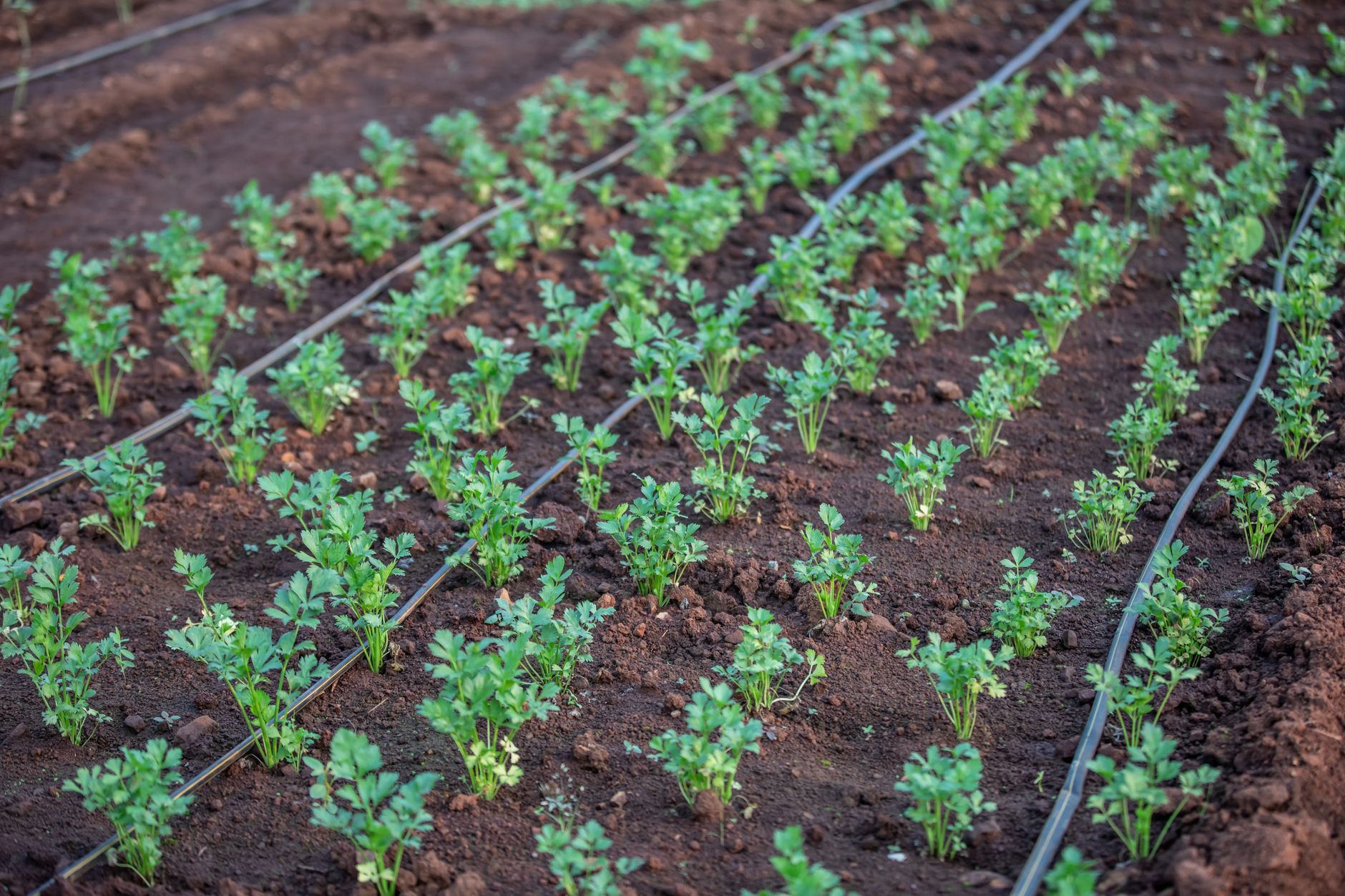
If you’ve ever wished your garden could practically take care of itself—watered just the right amount, at just the right time—smart irrigation systems may be your new best friend. In 2026, these smart garden gadgets are revolutionizing how we save water and automate garden care, making it easier than ever to enjoy a lush, thriving landscape without waste or hassle. This guide explores how smart irrigation systems work, their benefits for save water gardening, top picks for 2026, easy installation tips, and key takeaways for modern garden enthusiasts.
Why Choose Smart Irrigation Systems in 2026?
Smart irrigation systems are advanced watering solutions that automatically adjust schedules and amounts based on real-time data like weather forecasts, soil moisture, and plant needs. By connecting to your home Wi-Fi and smart devices, these systems bring a new level of convenience and efficiency to garden care.
Key advantages include:
- Water Savings: Smart irrigation can cut water usage by up to 50%, helping both your wallet and the environment.
- Automation: No more manual hose dragging or forgotten sprinklers.
- Healthier Gardens: Plants are watered optimally, reducing disease and root problems.
- Integration: Many systems work seamlessly with your other smart home gadgets.
With growing concerns about water scarcity and sustainability in 2026, adopting smart irrigation systems is a practical step toward eco-friendly gardening.
How Smart Irrigation Systems Work
Instead of fixed watering timers, smart irrigation systems use data and sensors to water only when necessary. Here’s a breakdown of how they function:
- Sensors: These measure soil moisture, sunlight, temperature, and even rainfall.
- Weather Data: Systems pull hyperlocal weather forecasts to skip watering before rain or during cool spells.
- Connectivity: Most units connect to your smartphone, allowing you to monitor and adjust settings remotely.
- Zones: Divide your garden into zones for customized watering, perfect for lawns, flower beds, and vegetable patches.
Example: If rain is forecast for the next day, your smart system will automatically postpone watering—saving water and preventing overwatering.
Top Smart Garden Gadgets for 2026
The smart irrigation market in 2026 offers a range of products tailored to various garden sizes and tech preferences. Here are some leading picks:
| Product Name | Key Features | Best For | Est. Price (2026) |
|---|---|---|---|
| AquaSave Pro 4 | 12-zone control, app integration, solar | Large gardens/yards | $249 |
| GreenIQ Smart Controller | Weather-based scheduling, Alexa support | Tech enthusiasts | $189 |
| EcoSprout Mini | Battery-powered, simple app, 4 zones | Small gardens/pots | $99 |
| HydroSense Advanced | Soil and rain sensors, data analytics | Data-driven gardeners | $229 |
Features to consider:
- Compatibility with your existing sprinkler/drip system
- Number of zones supported
- Integration with smart assistants (Alexa, Google Home, etc.)
- App usability and notifications
How to Install a Smart Irrigation System: Step-by-Step
Worried about complicated setup? Most smart irrigation systems are designed for DIY installation. Here’s a simple process to get started:
- Assess Your Existing System
- Check if you have a traditional in-ground sprinkler or a drip irrigation line.
-
Note how many zones you need.
-
Choose the Right Smart Controller
-
Match the controller to your garden size and compatibility needs.
-
Replace Your Old Timer
- Turn off water and power.
- Remove the current control box.
-
Mount the new smart controller in the same spot.
-
Connect Wires and Sensors
- Attach the zone wires to the new controller.
-
Connect any supplied sensors (soil, rain).
-
Download the App and Connect
- Install the manufacturer’s app on your smartphone.
-
Connect the system to your Wi-Fi.
-
Configure Zones and Schedules
- Use the app to name zones and set up watering schedules.
-
Input plant types or sun exposure for personalized recommendations.
-
Test and Fine-Tune
- Run a manual test cycle to check all zones.
- Adjust as needed for optimal coverage.
Tip: Most brands offer video tutorials and customer support if you need extra guidance.
Maximizing Water Savings with Smart Features
Smart irrigation systems deliver impressive water conservation results, but you can boost efficiency with these strategies:
- Set Up Precise Zones: Group plants with similar water needs together.
- Utilize Weather Integration: Ensure your system is pulling local forecasts to avoid unnecessary watering.
- Monitor Usage Data: Review app analytics to spot leaks or overwatering.
- Seasonal Adjustments: Update schedules as seasons change for maximum water savings.
- Regular Maintenance: Clean sprinkler heads and check sensors for accurate performance.
Stat: According to the EPA, installing WaterSense-labeled irrigation controllers can save an average household up to 8,800 gallons of water annually. With smart garden gadgets in 2026, those savings are even higher thanks to advanced sensors and AI-driven schedules.
Common Questions About Smart Irrigation Systems
Q: Can smart irrigation systems handle complex landscapes?
Yes! Many 2026 models support multiple zones and customizable schedules, making them perfect for intricate gardens and mixed plant types.
Q: What if my Wi-Fi goes out?
Most smart controllers retain their last programmed schedule and resume automation when connectivity returns.
Q: Are smart irrigation systems suitable for renters or small gardens?
Absolutely. Compact models like EcoSprout Mini are battery-powered and ideal for renters or patio gardens.
Key Takeaways
- Smart irrigation systems in 2026 are powerful tools to automate garden care and save water.
- They use sensors, weather data, and app controls to ensure plants get just the right amount of water, reducing waste and maintenance.
- Top-rated options range from feature-rich controllers for large yards to compact models for container gardens.
- DIY installation is straightforward; most systems can be set up in an afternoon.
- Maximize efficiency by grouping zones, using app analytics, and keeping hardware in top shape.
By embracing smart irrigation systems, you’re investing in a more sustainable, hands-free garden that thrives through every season—making modern gardening a breeze in 2026.