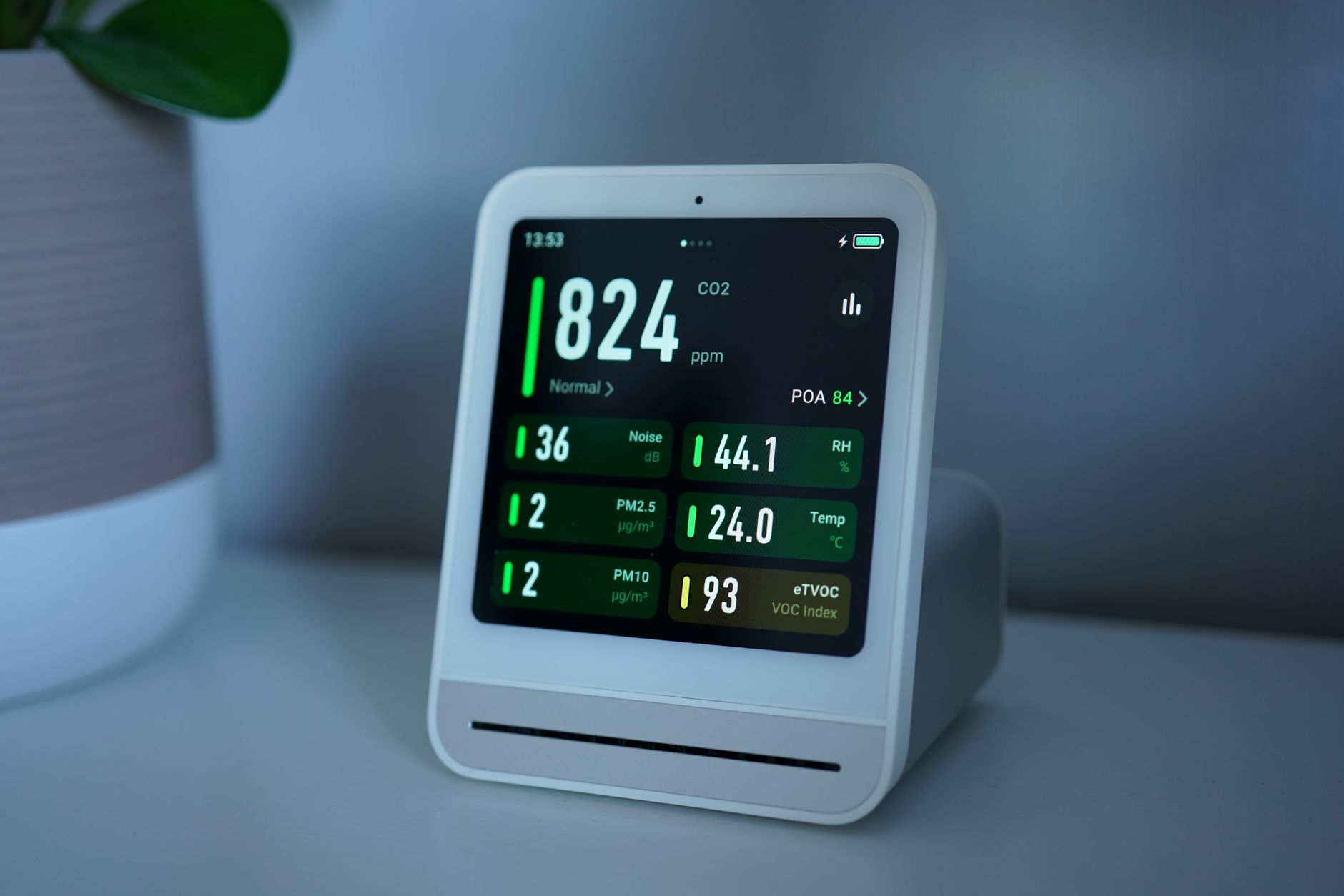
Eco-friendly smart gadgets are transforming the way we approach sustainable smart homes. In 2026, homeowners are increasingly seeking ways to blend modern convenience with green home automation, driving a surge in energy efficient devices. This guide explores how integrating these innovative tools can lower your power consumption, reduce your carbon footprint, and support a more sustainable lifestyle. Whether you’re a tech enthusiast or simply looking to make your home greener, you’ll discover practical advice and standout product recommendations to help you get started.
Why Eco-Friendly Smart Gadgets Are Essential for Sustainable Smart Homes
The average household in 2026 consumes over 10,000 kWh of electricity annually, with heating, cooling, and appliances accounting for most usage. By adopting eco-friendly smart gadgets, you can automate energy savings and optimize resource use without sacrificing comfort or style.
Eco-friendly smart gadgets are designed to:
- Monitor and minimize energy use automatically
- Integrate with renewable energy systems like solar panels
- Provide real-time feedback on consumption patterns
- Reduce waste by optimizing appliance and device operation
These features make them a cornerstone of any sustainable smart home.
Top Eco-Friendly Smart Gadgets for Every Room
Today’s green home automation market offers a wide range of devices that blend seamlessly into modern living spaces. Here are some standout options by category:
Smart Thermostats
Smart thermostats, such as the latest Ecobee and Nest models, use sensors and AI to learn your schedule, adjusting temperatures to minimize energy use.
Benefits:
– Save up to 23% on annual heating and cooling costs
– Control remotely via smartphone or voice assistant
– Integrate with solar and HVAC systems
Advanced Smart Lighting
LED smart bulbs and lighting systems, like Philips Hue and LIFX, let you automate schedules, dim lights remotely, and even use daylight sensors.
Advantages:
– Use up to 80% less energy than traditional bulbs
– Last up to 25,000 hours, reducing replacement waste
– Create “eco modes” that adapt to daylight
Smart Power Strips and Plugs
Many electronic devices drain power even when off. Smart plugs and power strips help eliminate this “phantom” load.
Key Features:
– Monitor real-time and historical energy usage
– Set schedules to cut power during inactivity
– Compatible with major smart home platforms
Water-Saving Smart Devices
Devices like Moen’s Smart Shower or Rachio’s smart sprinkler controller enable precise water management.
Why they matter:
– Cut water use by up to 50% on irrigation
– Prevent leaks and overuse with automated monitoring
– Track water consumption via app dashboards
Solar-Powered Smart Home Devices
From motion sensors to outdoor security cameras, solar-powered smart gadgets harvest renewable energy, reducing reliance on the grid.
Highlights:
– Zero operational energy cost after installation
– Ideal for outdoor locations
– Minimal maintenance required
How to Implement Green Home Automation Step-by-Step
Upgrading to a sustainable smart home doesn’t have to be overwhelming. Here’s a practical guide to get started:
-
Audit Your Home’s Current Energy Use
Use a smart energy monitor to track which devices and systems consume the most power. -
Start with High-Impact Devices
Prioritize installing smart thermostats and LED smart lights, as these typically offer the fastest return on investment. -
Upgrade Outlets and Power Management
Replace standard plugs with smart power strips or outlets to cut standby energy losses. -
Integrate Water-Saving Technology
Install smart irrigation controllers and leak sensors, especially if you have a garden or live in a drought-prone area. -
Explore Renewable Integrations
Consider adding solar-powered devices or connecting your smart home to a solar inverter for maximum sustainability. -
Centralize Control with a Smart Hub
Use a single platform (like SmartThings or Home Assistant) to manage and automate all eco-friendly smart gadgets, ensuring seamless operation.
Comparing Energy Efficient Devices: At a Glance
Below is a table comparing popular eco-friendly smart gadgets for sustainable smart homes in 2026:
| Device Type | Average Annual Savings | Key Eco Feature | Example Product |
|---|---|---|---|
| Smart Thermostat | 8-23% energy savings | Adaptive scheduling | Nest Learning Thermostat |
| LED Smart Bulb | 75-80% less energy | Daylight automation | Philips Hue A19 |
| Smart Power Strip | 5-10% cut in standby | Remote control/scheduling | Kasa Smart Power Strip |
| Smart Irrigation | 30-50% water savings | Weather-based watering | Rachio 3 Controller |
| Solar Camera | 100% solar-powered | Off-grid functionality | Arlo Solar Security Cam |
Tips for Maximizing Energy Efficiency with Smart Gadgets
- Set Automation Routines: Automate lights, thermostats, and plugs to run only when needed.
- Use Eco-Reports: Review device-generated energy reports to spot further savings.
- Optimize Device Placement: Place sensors and solar-powered gadgets in optimal locations for best results.
- Schedule Regular Updates: Keep firmware updated to access new energy-saving features.
- Educate Household Members: Share tips and routines to encourage everyone’s participation in sustainable habits.
Key Takeaways
- Eco-friendly smart gadgets make it easier than ever to create sustainable smart homes in 2026 by reducing energy and water consumption.
- Start by focusing on high-impact devices like smart thermostats, LED lighting, and power management tools.
- Incorporate renewable energy options, such as solar-powered cameras and sensors, for the greatest sustainability benefits.
- Use green home automation to automate savings, monitor results, and encourage ongoing eco-friendly habits.
- Making small changes with the right technology can lead to significant environmental and financial rewards over time.
By thoughtfully choosing and integrating energy efficient devices, you can enjoy all the advantages of a modern smart home while supporting the planet for future generations.