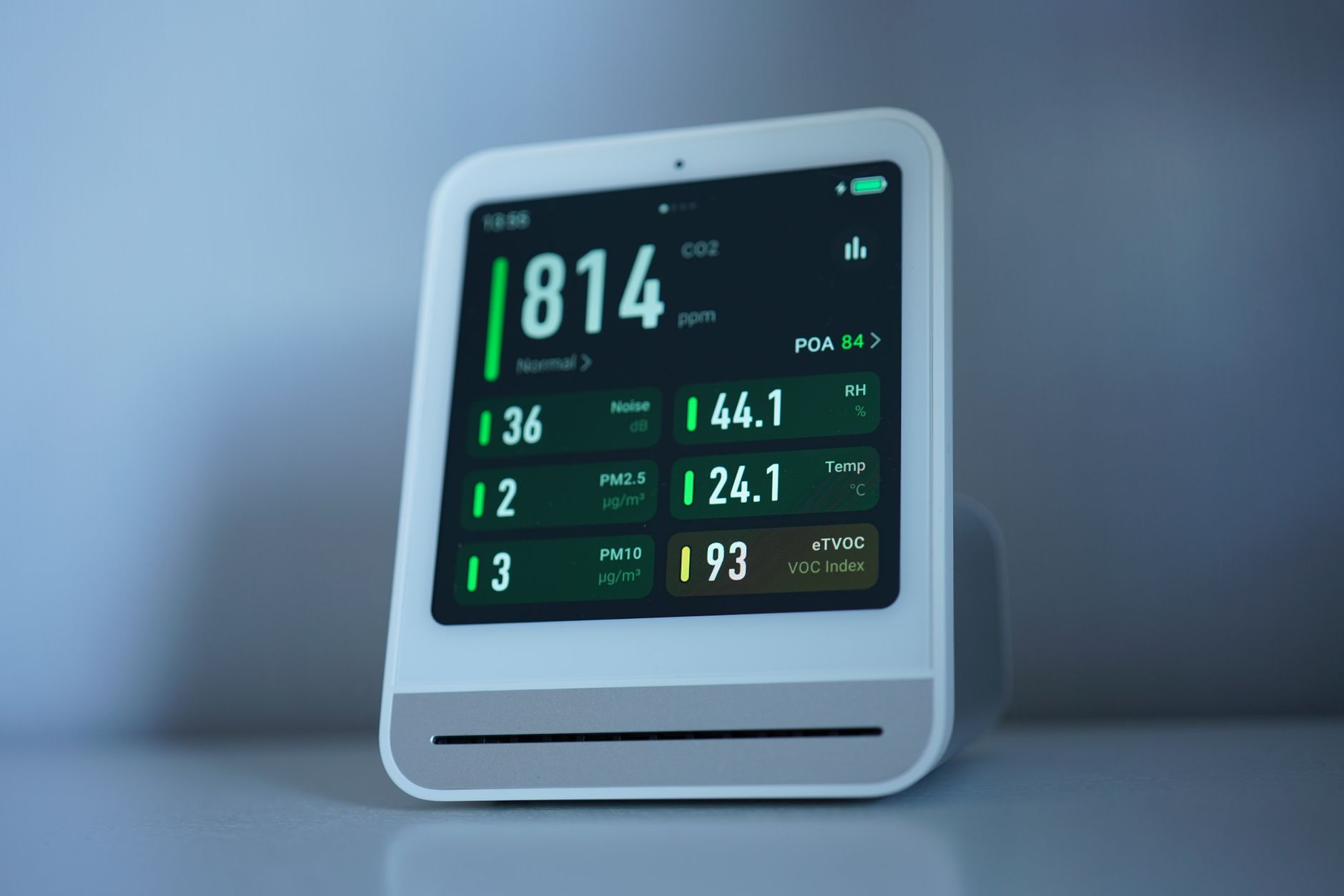
Smart home sensors explained: in 2026, these tiny devices are transforming how we interact with our living spaces. From motion sensor guides to temperature and leak detectors, home automation sensors offer unprecedented convenience, safety, and energy efficiency. Whether you’re just starting your smart home journey or looking to upgrade, understanding these sensors is key to creating an intelligent, responsive environment. This guide breaks down the main types, their benefits, and how to use them effectively.
Understanding Smart Home Sensors
Smart home sensors are the backbone of modern home automation. These devices monitor environmental changes and trigger actions—like turning on lights or sending alerts—based on preset rules. Let’s explore the three most popular types: motion sensors, temperature detectors, and leak sensors.
Motion Sensors: The Silent Guardians
Motion sensors detect movement in specific areas, making them indispensable for security and automation. They use technologies like Passive Infrared (PIR), ultrasonic waves, or microwave signals to sense activity.
Common Uses:
– Automating lights when someone enters a room
– Sending alerts if unexpected movement occurs
– Enhancing security by monitoring entrance points
How They Work:
Motion sensors typically measure changes in infrared energy (heat) or movement. When a sudden change is detected, they trigger an action—such as activating a camera or alarm.
Statistics (2026):
– Over 68% of smart homes in 2026 use motion sensors for security and energy savings.
– PIR sensors are the most popular due to their reliability and low false alarms.
Temperature Detectors: Comfort & Efficiency
Temperature sensors monitor ambient conditions, allowing your smart home to adjust heating, cooling, and ventilation automatically.
Why They Matter:
– Maintain ideal indoor temperatures
– Reduce energy costs by optimizing HVAC usage
– Protect sensitive items (wine, electronics) from extreme temperatures
Example Scenarios:
– If the living room temperature drops below 68°F, the thermostat increases heating.
– Smart thermostats use sensors across rooms for zone-based climate control.
Quick Facts:
– Energy savings from smart temperature control reach up to 20% yearly in connected homes.
– Smart sensors can be paired with voice assistants for hands-free adjustments.
Leak Detectors: Preventing Water Damage
Leak sensors are critical for safeguarding your home from water leaks and floods. These sensors detect the presence of water in places it shouldn’t be and send immediate alerts.
Where to Install:
– Under sinks, near water heaters, behind washing machines
– Basements and crawl spaces prone to flooding
How They Help:
– Early detection prevents costly damage—average water damage repair costs exceed $2,800.
– Some models automatically shut off water supply when a leak is detected.
2026 Trends:
– Leak detectors are now standard in new smart home builds.
– Integration with insurance apps allows for streamlined claims in case of incidents.
Benefits of Smart Home Sensors
Smart home sensors offer a host of benefits for homeowners and renters alike:
| Sensor Type | Main Benefit | Typical Use Case |
|---|---|---|
| Motion Sensor | Security & automation | Entryways, hallways, outdoor areas |
| Temperature Sensor | Comfort & energy saving | Living rooms, bedrooms, basements |
| Leak Detector | Damage prevention | Kitchens, bathrooms, laundry rooms |
Key Advantages:
– Enhanced Security: Motion sensors deter intruders and notify you of activity.
– Energy Efficiency: Temperature sensors optimize heating/cooling, reducing bills.
– Peace of Mind: Leak detectors alert you instantly, minimizing damage risks.
How to Set Up Smart Home Sensors: Step-by-Step Guide
Implementing smart home sensors is easier than ever in 2026. Here’s how to get started:
- Assess Your Needs
- Identify which areas need monitoring (security, climate, water leaks).
-
Consider the layout and unique risks of your home.
-
Choose Compatible Devices
- Select sensors that work with your smart hub (e.g., Zigbee, Z-Wave, Wi-Fi).
-
Check for integration with platforms like Alexa, Google Home, or Apple HomeKit.
-
Install Sensors
- Place motion sensors at entrances and hallways, at chest height for optimal coverage.
- Mount temperature sensors away from vents and windows for accurate readings.
-
Position leak detectors near water sources, flat on the floor.
-
Configure Automations
- Use your smart home app to set triggers (e.g., lights on when motion detected).
- Schedule temperature adjustments based on daily routines.
-
Set up instant alerts for leaks via mobile notifications.
-
Test and Maintain
- Regularly test sensors to ensure reliability.
- Replace batteries or update firmware as needed.
Practical Tips for Maximizing Sensor Performance
- Avoid placing sensors behind obstacles (curtains, furniture).
- Use multiple sensors for larger spaces or multi-level homes.
- Combine sensor data for smarter automations—like using both motion and temperature sensors to control lighting and climate.
Comparing Sensor Technologies: Table Overview
| Sensor Technology | Best For | Pros | Cons |
|---|---|---|---|
| Passive Infrared | Motion detection | Low false alarms | Limited range |
| Ultrasonic | Motion detection | Accurate in open areas | Susceptible to noise |
| Thermistor | Temperature monitoring | Precise readings | Needs calibration |
| Water Conductivity | Leak detection | Immediate alerts | Must be placed flat |
Key Takeaways
- Smart home sensors explained: These devices automate and safeguard your living space, offering real-time monitoring and action.
- Motion sensor guide: Motion sensors are essential for security and energy savings, with PIR technology leading in reliability.
- Temperature and leak detectors: These sensors enhance comfort, efficiency, and protect against costly water damage.
- Home automation sensors: In 2026, integration and ease of use are at their peak, with seamless control via apps and voice assistants.
- By choosing and installing the right sensors, you can create a smarter, safer, and more efficient home—one that responds proactively to your needs.
Smart home sensors are no longer just a futuristic concept—they’re a practical, affordable, and essential piece of modern living in 2026.