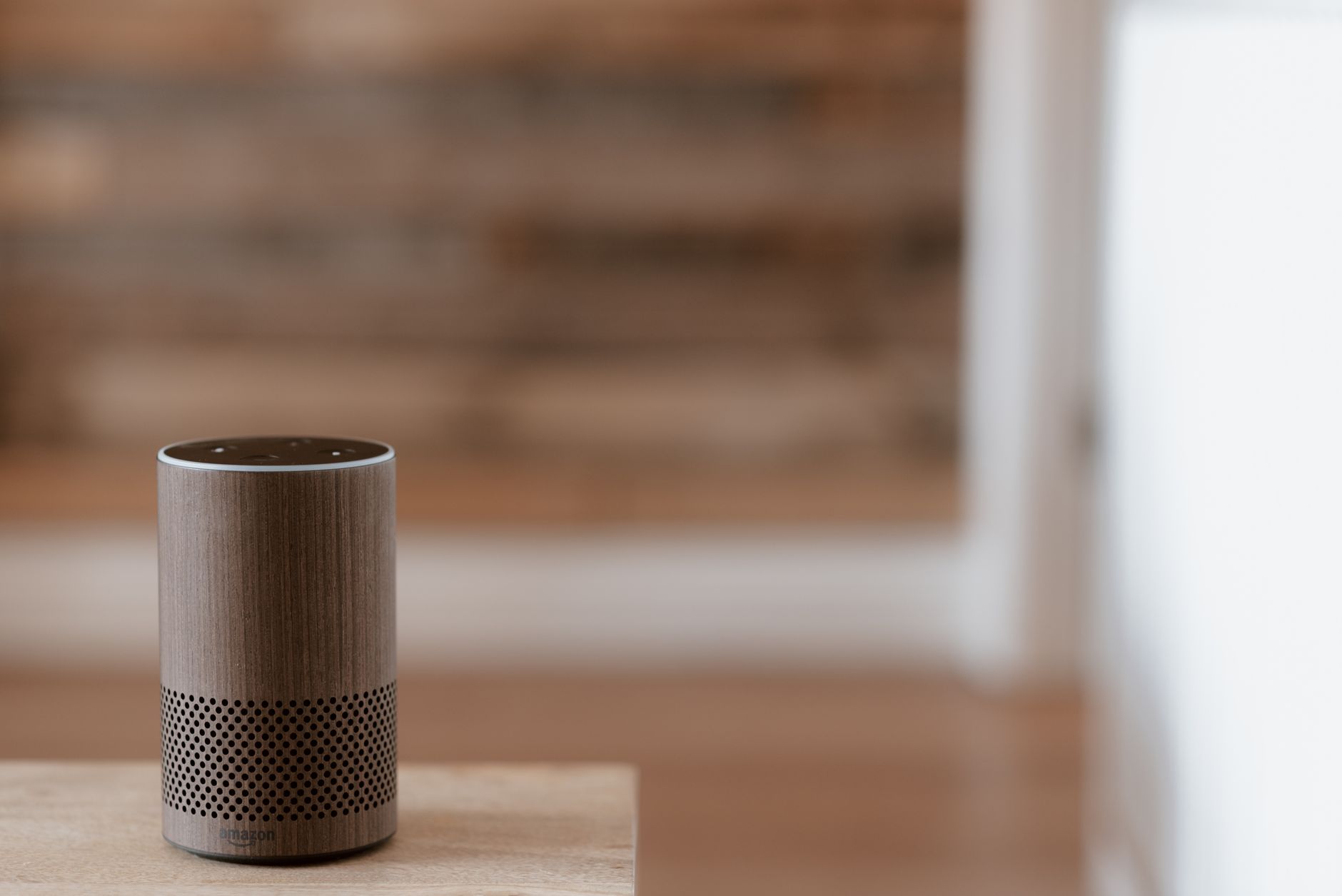
In 2026, voice controlled smart home technology has become essential for seamless living. Whether you’re considering Alexa, Google Assistant, or Siri for your home automation setup, choosing the best voice assistants 2026 offers can make life smoother, smarter, and more efficient. In this comprehensive comparison, we’ll explore the strengths of each ecosystem, their integration power, and practical tips for setting up your ideal voice-controlled smart home.
Why Voice Assistants Are the Heart of Modern Homes
Voice assistants serve as the central hub for controlling everything from lights and thermostats to security cameras and entertainment systems. The convenience of issuing a simple voice command—“Turn off the kitchen lights” or “Lock the front door”—has transformed how we interact with our homes.
- Growing Adoption: Over 75% of households in the US now use at least one voice assistant (Statista, 2026).
- Hands-Free Living: Voice control means less fumbling for remotes or apps.
- Accessibility: Voice assistants empower users with mobility or vision challenges.
But which platform leads in 2026—Alexa, Google, or Siri? Let’s dive in.
Alexa vs Google Home vs Siri: Key Features Compared
To help you find the right fit, here’s a side-by-side comparison of the leading voice assistants for home control in 2026:
| Feature | Alexa | Google Assistant | Siri (Apple Home) |
|---|---|---|---|
| Device Compatibility | 120,000+ devices | 100,000+ devices | 50,000+ devices |
| Smart Home Ecosystem | Amazon Echo, Fire TV, Ring | Nest, Chromecast, Pixel | HomePod, Apple TV, iPad |
| Voice Recognition | Multi-user, custom routines | Multi-user, contextual replies | Personal, improved multi-user |
| Privacy Controls | Voice history deletion, mute | Auto-delete, on-device proc. | On-device, encrypted requests |
| Automation Customization | Highly advanced routines | Easy routines, Nest automations | HomeKit scenes, Shortcut flows |
| Third-Party Skills | 100,000+ Alexa Skills | 80,000+ Actions | Limited, but growing |
| Language Support | 60+ languages | 75+ languages | 25+ languages |
Stats and compatibility as of 2026.
Alexa: Best for Broad Device Support
Amazon’s Alexa remains a frontrunner due to its enormous ecosystem and device compatibility. With support for over 120,000 smart home devices, Alexa is often the first to receive new integrations from major brands. The Alexa app provides granular automation routines, voice profiles, and a vast library of third-party “Skills.”
Standout Features:
– Custom Routines: Trigger complex actions with a single phrase.
– Household Profiles: Recognizes different users and customizes responses.
– Privacy Controls: Easy access to mute microphones and delete recordings.
Ideal for: Users who want maximum device choice and customization.
Google Home: Smartest Contextual Voice Assistant
Google Assistant shines with its contextual understanding, integrating naturally with Google services like Calendar, Gmail, and YouTube. Its routines are intuitive, and Nest devices offer seamless home automation.
Standout Features:
– Contextual Replies: Remembers previous commands for smoother conversations.
– Integration with Google Services: “Hey Google, what’s on my agenda?”
– Visual Answers: Smart displays show step-by-step recipes, timers, or traffic info.
Ideal for: Households already invested in Google’s ecosystem or seeking natural, conversational control.
Siri: The Privacy-Focused Apple Solution
Siri, through Apple’s HomeKit platform, emphasizes privacy and user security. In 2026, Siri’s home automation features have matured, with improved device support and the robust Apple ecosystem at its core.
Standout Features:
– End-to-End Encryption: All home commands are encrypted.
– HomeKit Automations: Deep integration with iPhones, iPads, and Apple Watches.
– Shortcuts App: Enables complex, custom automations.
Ideal for: Apple users who prioritize privacy and seamless iOS integration.
Integration Tips for a Truly Smart Home in 2026
Achieving a voice controlled smart home goes beyond just picking a voice assistant. To maximize functionality and satisfaction, follow these practical tips:
1. Map Out Your Smart Home Needs
- List Devices: Lights, thermostats, locks, cameras, speakers, appliances.
- Check Compatibility: Use manufacturer websites to ensure your devices work with your chosen assistant.
- Prioritize Functions: Security, energy savings, convenience, or entertainment?
2. Optimize Voice Commands
- Name Devices Clearly: Avoid similar names (e.g., “Kitchen Light” and “Kitchen Lamp”).
- Set Up Custom Routines: Automate wake-up, bedtime, or “away” sequences.
- Test Multi-User Features: Assign profiles so each family member gets personalized responses.
3. Strengthen Privacy and Security
- Update Devices Regularly: Install firmware and app updates promptly.
- Review Permissions: Limit third-party skill access to what’s necessary.
- Mute Mics When Not Needed: Especially in private spaces.
4. Leverage Advanced Automations
- Alexa: Use location-based routines (e.g., “turn off lights when everyone leaves”).
- Google Assistant: Set up “presence sensing” for automatic actions based on who’s home.
- Siri: Create Shortcuts that link multiple devices and apps.
Real-World Example: A 2026 Voice Controlled Smart Home
Imagine a family in 2026 with a mix of smart lights, thermostats, and security devices from different brands. Here’s how each assistant could support their daily routine:
- Morning: “Alexa, start my day” dims the bedroom lights, reads the weather, and starts the coffee maker.
- Leaving Home: “Hey Google, I’m leaving” locks doors, arms Nest security, and adjusts the thermostat.
- Arriving Home: Siri triggers a “Welcome Home” scene: lights on, music playing, blinds open.
Each platform offers unique routines, and in 2026, cross-platform compatibility (via Matter protocol) means you can mix and match devices more freely than ever.
Key Takeaways
- Alexa is the best choice for the widest device compatibility and powerful custom routines.
- Google Assistant excels in contextual understanding and natural conversations, ideal for Google-centric homes.
- Siri offers top-tier privacy and seamless Apple integration, perfect for iOS households.
- Device compatibility, privacy features, and automation options are crucial when selecting your voice assistant.
- Mapping your needs, using clear device names, and setting up routines enhance your voice controlled smart home experience in 2026.
Choosing between Alexa, Google, and Siri depends on your priorities—device range, conversational smarts, or privacy. No matter your choice, the best voice assistants 2026 offer are ready to transform your home into a smarter, more responsive space.