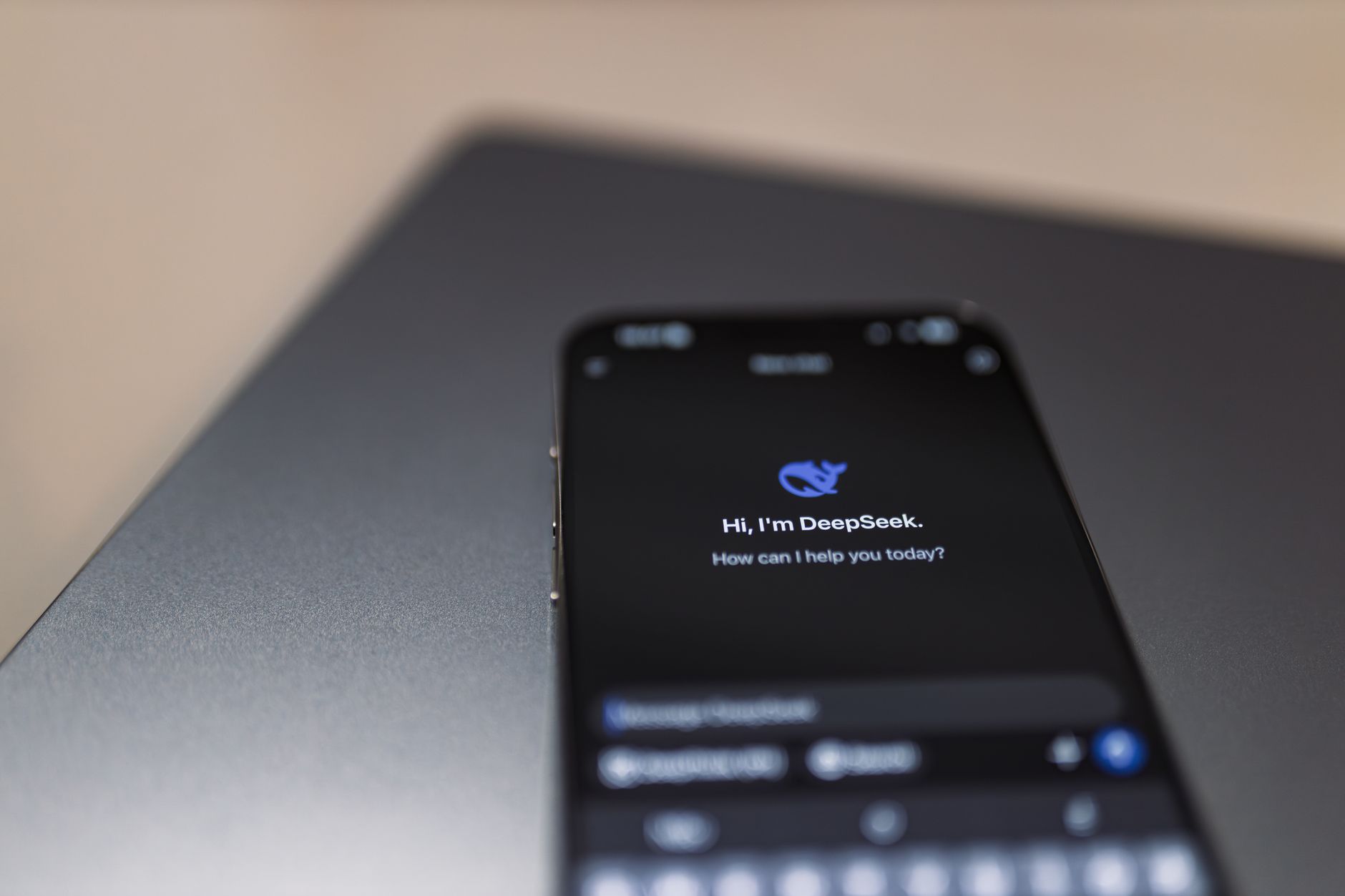
In 2026, AI assistants for tasks have become essential tools for anyone aiming to manage schedules with AI and boost productivity. Whether you’re a busy professional, a student juggling multiple responsibilities, or simply looking to streamline daily routines, a smart productivity assistant can transform how you organize your time. This article explores the best strategies for using an AI task manager 2026 to stay efficient, provides practical tips, and highlights real-world examples of AI integration in daily scheduling.
Why Use AI Assistants for Tasks and Scheduling?
AI assistants are not just voice-activated helpers—they’re robust, context-aware tools capable of learning your habits, anticipating your needs, and automating repetitive planning tasks. Here’s why they’re indispensable in 2026:
- Automation: AI assistants automatically prioritize tasks, remind you of deadlines, and reschedule meetings based on your preferences.
- Personalization: Advanced algorithms adjust recommendations according to your work style and goals.
- Integration: Seamless syncing with calendars, emails, and smart devices ensures nothing slips through the cracks.
- 24/7 Availability: Unlike human assistants, AI is always ready to support you—no matter the hour.
A recent survey by SmartTech Insights found that 78% of professionals using AI task managers in 2026 reported at least a 25% improvement in personal productivity.
Setting Up Your AI Task Manager for Maximum Efficiency
To fully benefit from a smart productivity assistant, it’s important to set it up correctly. Here’s a step-by-step guide:
1. Choose the Right Platform
- Compatibility: Ensure the AI assistant integrates with your devices and preferred apps (e.g., email, calendar, project management tools).
- Features: Look for advanced scheduling, task categorization, natural language input, and proactive suggestions.
- Security: Use platforms with strong data protection and privacy policies.
2. Input Your Key Information
- Import important dates, deadlines, and recurring tasks from existing calendars or apps.
- Set working hours, preferred meeting times, and focus blocks.
- Define task categories (e.g., work, personal, urgent, long-term).
3. Customize Notifications and Reminders
- Opt for AI-powered, context-sensitive reminders (e.g., location-based or priority-based).
- Adjust notification frequency to avoid alert fatigue.
4. Sync with Other Smart Tools
- Link with productivity apps, smart speakers, wearables, and even home automation tools for seamless workflow management.
Table: Essential Features of Top AI Task Managers in 2026
| Feature | Benefit |
|---|---|
| Natural Language Input | Add tasks by simply speaking or typing |
| Predictive Scheduling | AI suggests optimal times for meetings |
| Context Awareness | Adjusts to your location and routine |
| Cross-Platform Syncing | Keeps all your devices up-to-date |
| Smart Prioritization | Highlights what’s most important now |
Smart Ways to Manage Schedules with AI
Managing your time with an AI assistant goes beyond basic scheduling. Leverage these smart strategies to unlock peak efficiency:
Let AI Handle the Routine
- Automated Rescheduling: When meetings run over or plans change, your AI can find new time slots without your manual intervention.
- Smart Suggestions: Receive prompts for breaks, focused work sessions, and even time for personal well-being based on your activity patterns.
Use AI to Block Distractions
- Set up “focus mode” where unnecessary notifications are silenced, and only critical alerts get through.
- AI can analyze your calendar and suggest optimal windows for deep work, minimizing interruptions.
Collaborate Smoothly
- Share schedules with colleagues, friends, or family, and let AI coordinate group meetings by finding mutually available times.
- Receive real-time updates on changes and automatic agenda generation for meetings.
Example: A Day with an AI Productivity Assistant
Imagine Sarah, a marketing manager, starts her day in 2026. Her AI assistant reviews her tasks, notifies her of a client meeting, reminds her about a project deadline, and suggests a 10-minute break before her next session. When an urgent email comes in, the AI prioritizes it and reshuffles less critical tasks—ensuring Sarah stays on track effortlessly.
5 Practical Tips to Get the Most from Your AI Task Manager
- Review and Update Tasks Daily: Spend 5 minutes every morning reviewing your to-do list and letting the AI reprioritize based on new information.
- Leverage Voice Commands: Use natural language (e.g., “Remind me to call John at 3 PM”) to quickly add or adjust tasks on the go.
- Set Smart Recurrence Rules: For regular meetings or chores, instruct your AI to auto-schedule and remind you at optimal times.
- Analyze Productivity Trends: Most AI assistants offer weekly or monthly reports; use these insights to adjust habits and improve time management.
- Integrate with Health Apps: Sync your AI with wellness tools to schedule breaks, workouts, and even track your energy levels throughout the day.
Overcoming Common Challenges with AI Scheduling
While AI assistants offer impressive benefits, some users face hurdles during adoption. Here’s how to resolve common pitfalls:
- Over-automation: Keep manual oversight for critical tasks. Regularly review AI-generated schedules to ensure alignment with your goals.
- Notification Overload: Fine-tune alert settings to receive only relevant updates.
- Data Privacy: Always use reputable AI platforms with transparent privacy practices and robust encryption.
Key Takeaways
- AI assistants for tasks in 2026 are powerful tools for anyone seeking to manage schedules with AI, automate routines, and boost productivity.
- Setting up your smart productivity assistant carefully and customizing its features makes a huge difference in daily efficiency.
- Practical strategies—like automating routine scheduling, blocking distractions, and integrating with other smart tools—unlock the full potential of your AI task manager 2026.
- Regular reviews, smart use of notifications, and attention to privacy ensure a balanced, effective workflow.
Incorporating AI assistants into your daily routine is no longer a futuristic dream—it’s a practical way to stay organized and get more done in 2026. With the right setup and habits, you can let technology do the heavy lifting, freeing you to focus on what truly matters.